





































Hybrid carbon projects, counted once and counted right
See how we meter each technology on its own, so a hybrid renewable energy plant earns credits without counting any reduction twice.
Hybrid generation, verified component by component

What it is
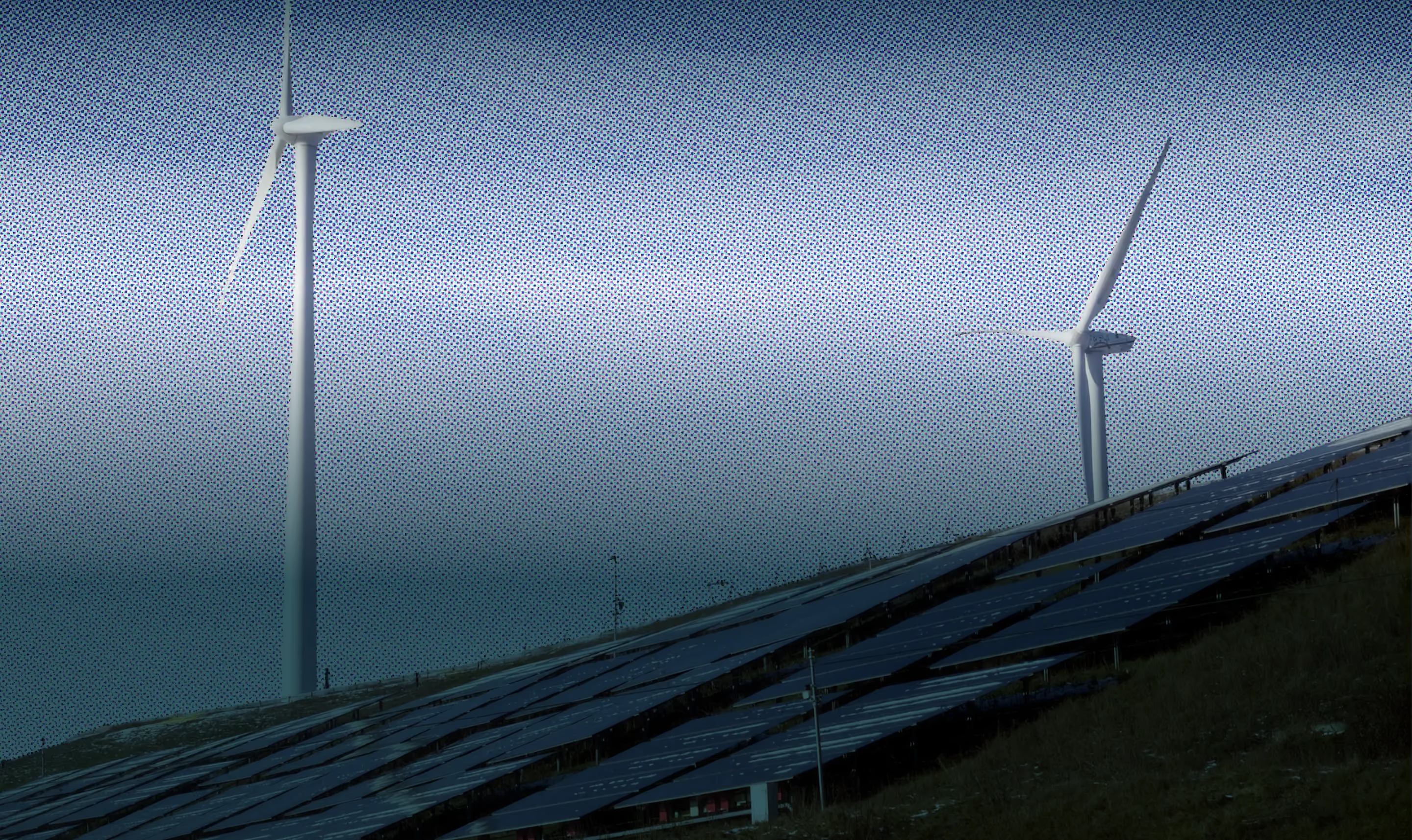
A hybrid project combines two or more technologies at one site, most often solar with wind or with storage. Together they give steadier output or a higher capacity factor than either alone.

Why this method
Metering each component separately lets each technology earn credits against its own baseline, with no reduction counted twice.
How a hybrid credit is calculated and checked
Methodology
Baseline: each technology is measured against its own baseline, the grid emission factor or the fuel it displaces. The gap between baseline and project emissions is what gets credited. Bar proportions are illustrative.
Each technology gets its own metering, or a validated allocation method, so its reductions can be verified on their own.
Solar, wind, and storage components each earn credits against the baseline that fits their technology, using metered generation and the matching emission factor.
Where a battery is part of the plant, we account for its cycling losses in the calculation, so the credit reflects what it actually delivers.
MRV approach
1. Component metering
Meters on each technology, or a validated allocation method, split the plant's output by component.
2. Generation and factor
Each component's metered generation is multiplied by the grid or displaced-fuel emission factor, as in solar and wind projects.
3. Double counting
We check that no reduction counts twice where components share a site or a grid connection.
4. Storage cycling
We treat the charge and discharge losses from any on-site storage in the calculation.








Straight answers on hybrid project credits
Start with the questions we hear most before a hybrid project begins, then bring us your details.
A hybrid project combines two or more generation technologies at one site, most often solar with wind or with storage. The mix produces steadier or higher-capacity output than either technology alone.

Each technology component earns credits against its own baseline, using metered generation and the relevant emission factor. We meter each component separately, so a verifier can confirm every reduction once and only once.
Separate metering, or a validated allocation method, lets verifiers check each component against its own baseline. It also prevents the same reduction counting twice when technologies share a site or a grid connection.
We treat battery cycling losses in the calculation, so the credit reflects the power the system actually delivers. The right approach depends on the standard and methodology, which we confirm during screening.
Often, yes. Pairing technologies such as solar and wind smooths resource variability, which can lift the blended capacity factor above what either delivers alone. Metered data confirms the real figure for your plant.