
































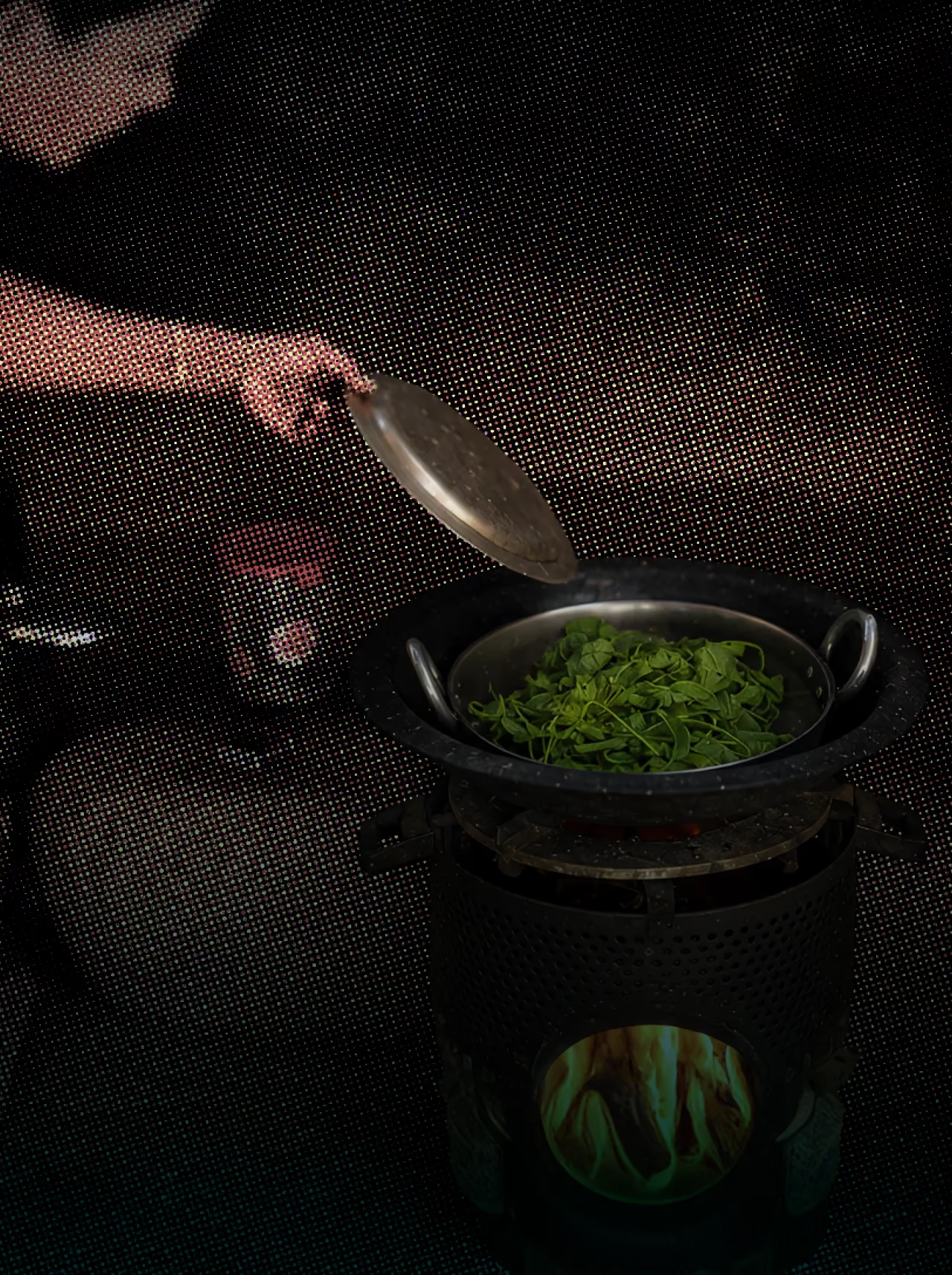

Cookstove carbon credits, backed by household monitoring
See how we credit the wood and charcoal an improved cookstove saves, and prove the stoves are still in use years on.
Cookstove projects built on tested baselines and sampled monitoring

What it is
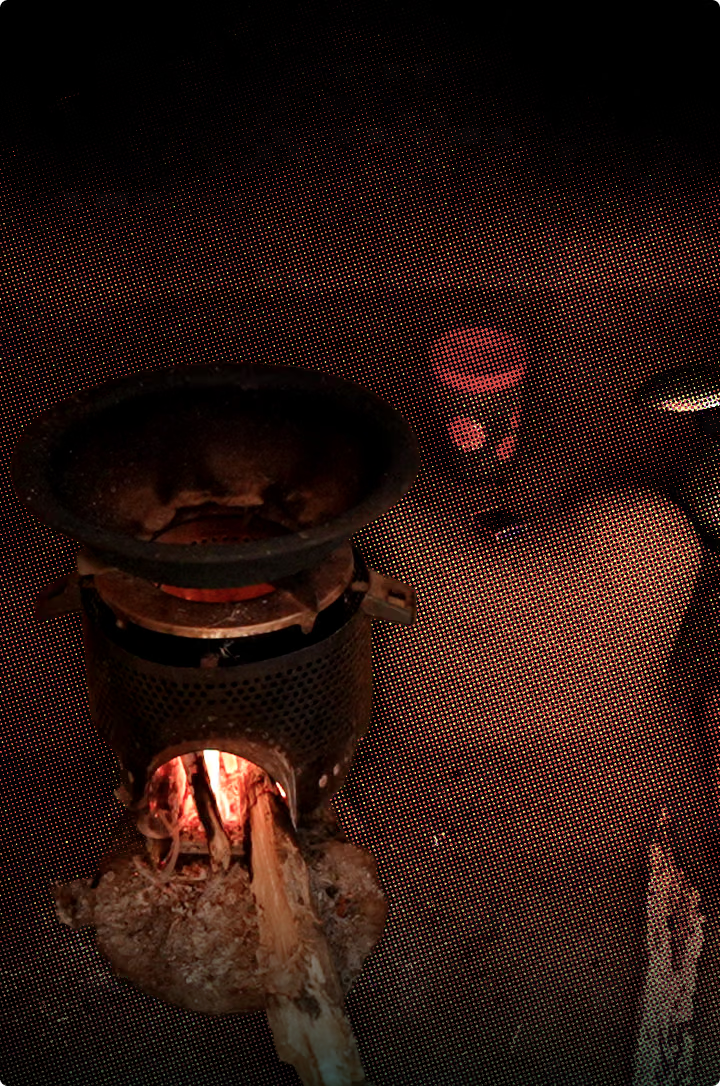
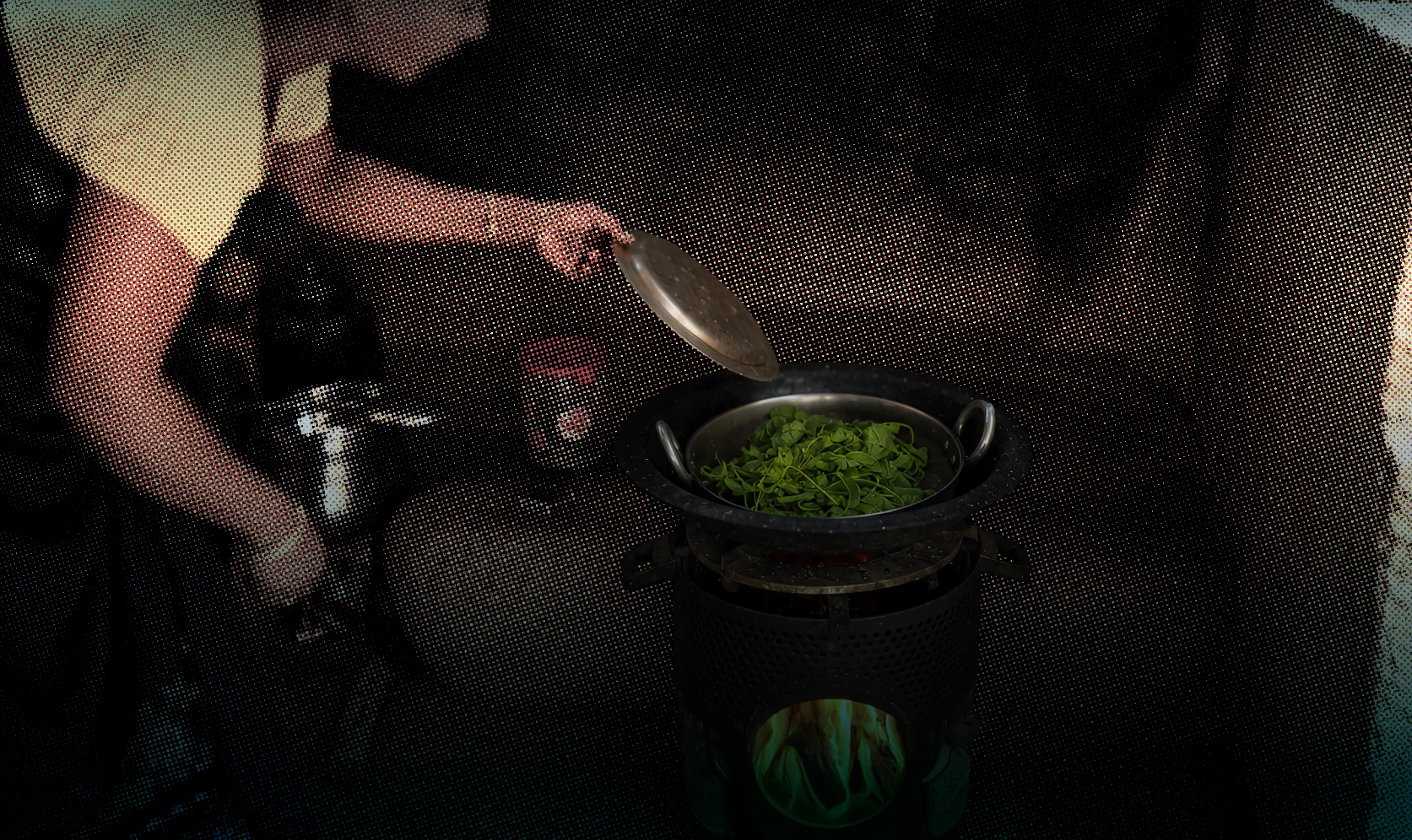
Fuel-efficient stoves replace three-stone fires and inefficient stoves. Households burn less wood, charcoal, or fossil fuel for each meal, and the fuel saved becomes the carbon reduction.

Why this method
Sampled household surveys and usage monitoring show stoves are still in use, so credits reflect fuel actually saved.
How a cookstove credit is calculated and checked
Methodology
Baseline: the fuel use of the stoves being replaced, set through kitchen performance tests, controlled cooking tests, and household surveys. The gap between that baseline and the new stove's fuel use is what gets credited. Bar proportions are illustrative.
We measure what the old stove burns through kitchen performance tests, controlled cooking tests, and household surveys.
Default values for the non-renewable fraction of biomass decide how much of the wood saved counts toward the reduction.
A statistically representative sample of households stands in for all distributed stoves, and results are extrapolated to the full population.
MRV approach
1. Household surveys
Periodic surveys of a representative sample of households record which stoves are in use and how they are used.
2. Usage monitoring
Usage sensors or in-person checks confirm stoves are being used, not just installed.
3. Durability tracking
We track stove durability and replacement rates, so credits cover only stoves that still work.
4. Representative sampling
A statistically representative sample means the results extrapolate to every stove distributed.







Straight answers on improved cookstove credits
Start with the questions we hear most before a cookstove project begins, then bring us your details.
A clean cooking project promotes cleaner, more efficient stoves that cut fuel use and household air pollution. Each improved cookstove replaces a traditional three-stone fire or an inefficient stove, so households burn less wood, charcoal, or fossil fuel.

Credits come from fuel saved compared with the stoves being replaced. We set the baseline through kitchen performance tests, controlled cooking tests, and household surveys, then verify results through sampled monitoring.
We run periodic household surveys and stove-usage monitoring on a statistically representative sample, using usage sensors or in-person checks. We also track durability and replacement rates, so credits reflect stoves that still work.
It is the share of the wood a household burns that is harvested faster than it regrows. Default values for this fraction help set how much of the fuel saved counts toward the credited reduction.
They cut smoke exposure in the kitchen, lower household fuel costs, and ease pressure on local forests, alongside the carbon benefit. Credible projects back these benefits with community engagement and independent verification.