




























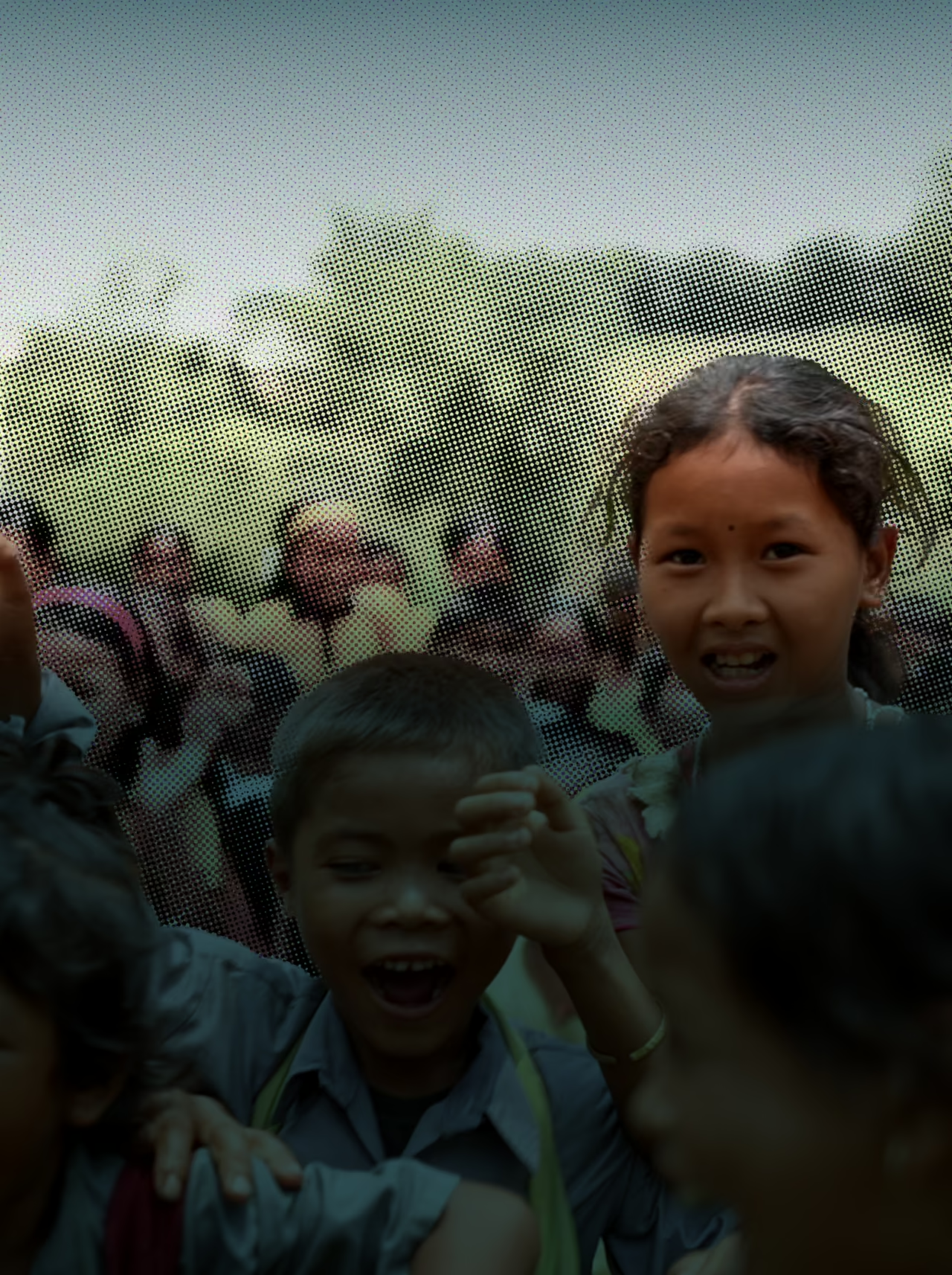
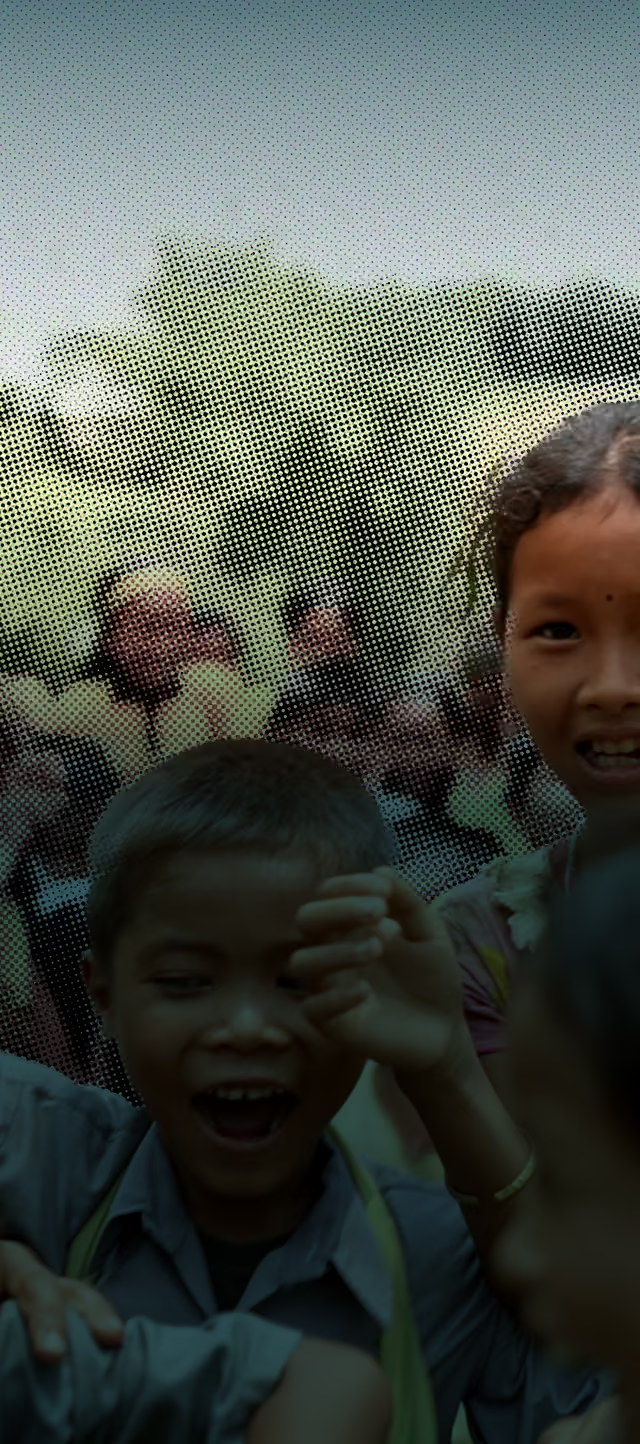
Health and livelihood carbon projects, with measurable impact for people and climate
See how we design clean cooking, safe water, and household biogas projects that cut emissions and improve health.
Climate action that also improves community lives
What it is

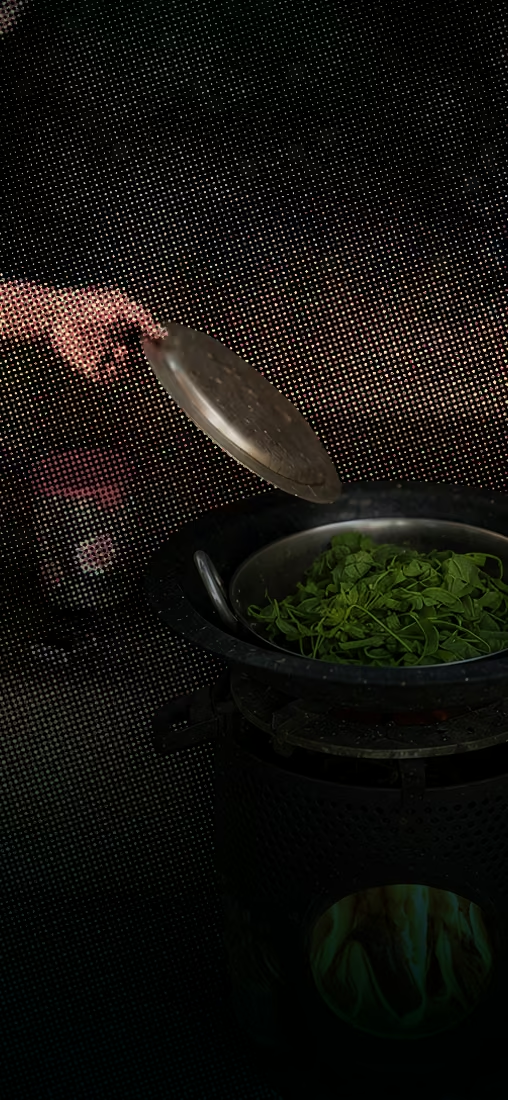
Community Projects that also improve lives. Clean cookstoves and safe water systems cut the biomass people burn, which lowers CO₂ and black carbon and reduces household air pollution and disease.
Why it matters
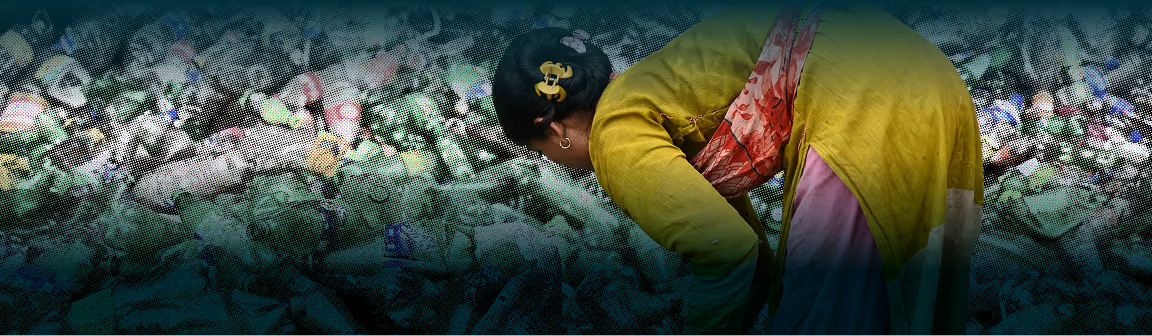
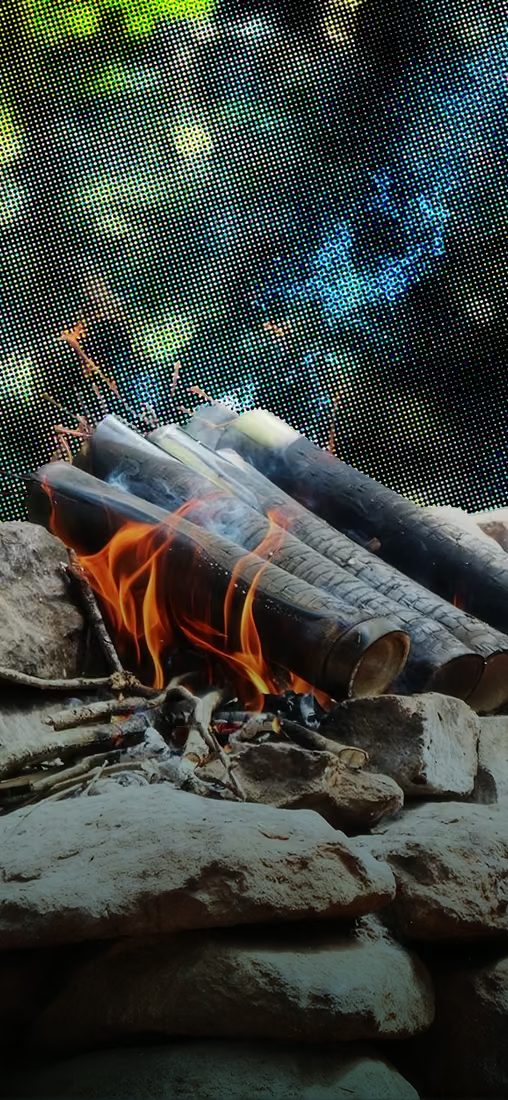
Billions of people still cook with inefficient, polluting fuels. That harms health and adds pressure on forests.
Market opportunity
These credits carry strong, story-rich co-benefits tied to several UN Sustainable Development Goals, including health, gender, and clean energy, which corporate buyers value.
Business value
They combine measurable emission reductions with tangible social impact, which supports community development and premium credit pricing.
Clean cooking expertise, verified under Gold Standard

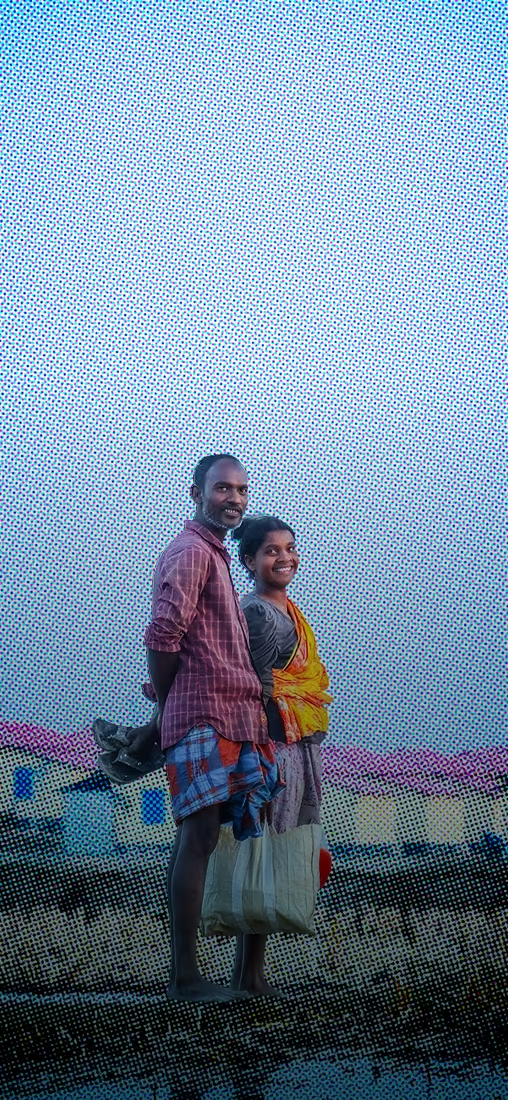
From community survey to impact report, in six stages
See how we prove that stoves, filters, and digesters stay in daily use, not just in the box.


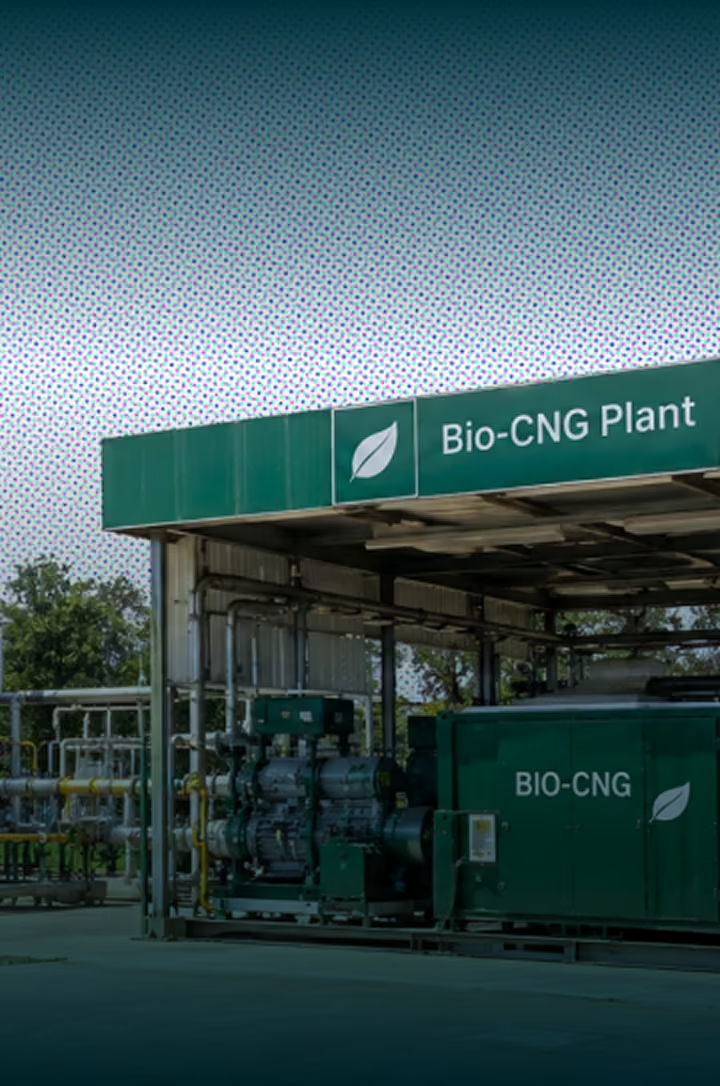
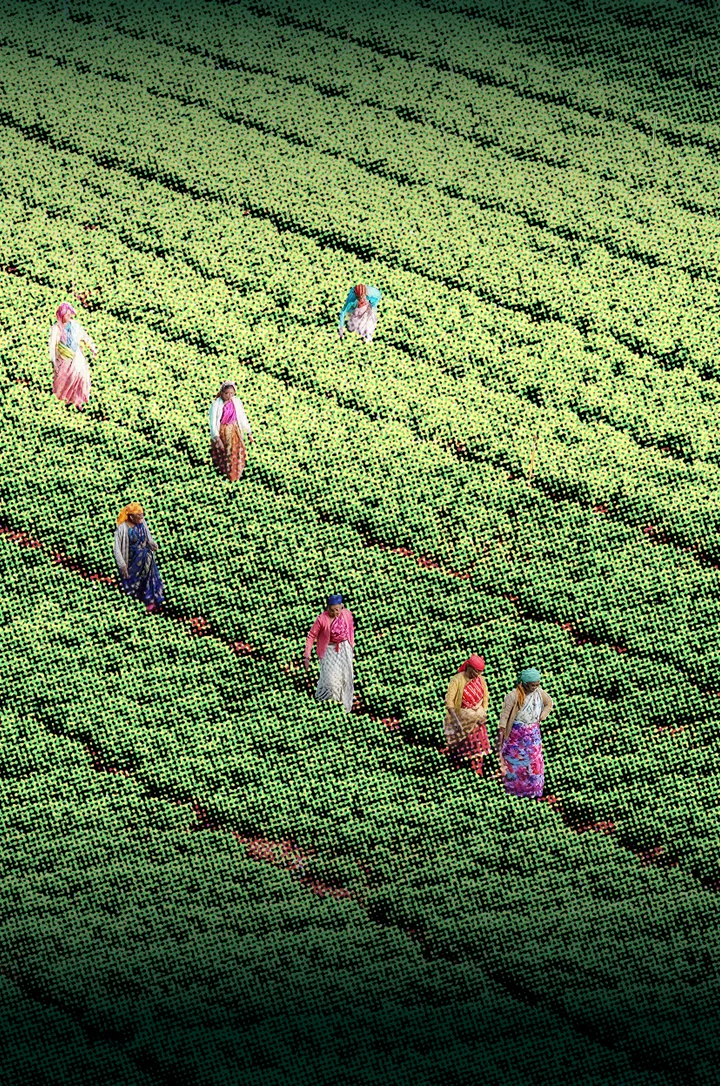
Community projects across the portfolio





Straight answers on community carbon projects
Start with the questions we hear most before a project begins, then bring us the details of yours.
They combine climate action with interventions that improve health, household well-being, income, or livelihood opportunities.

They cut exposure to harmful pollutants through cleaner cooking, better sanitation, clean energy, and other interventions.
They create local jobs, lower household costs, build skills, and open new income opportunities.
It promotes cleaner, more efficient cooking technology that cuts fuel use and household air pollution.
Yes. An eligible intervention earns credits when its measured emission reductions meet the requirements of an applicable methodology.
We quantify them from technology adoption, usage, fuel consumption, and the baseline conditions.
Communities can take part through consultation, implementation, monitoring, employment, benefit sharing, and feedback mechanisms.
Safeguards help us find and manage environmental and social risks, and they protect the communities involved.
Yes. Depending on design, they contribute to health, poverty reduction, gender equality, clean energy, and livelihood goals.
Strong community engagement, transparent benefits, robust monitoring, the right safeguards, and independent verification.