































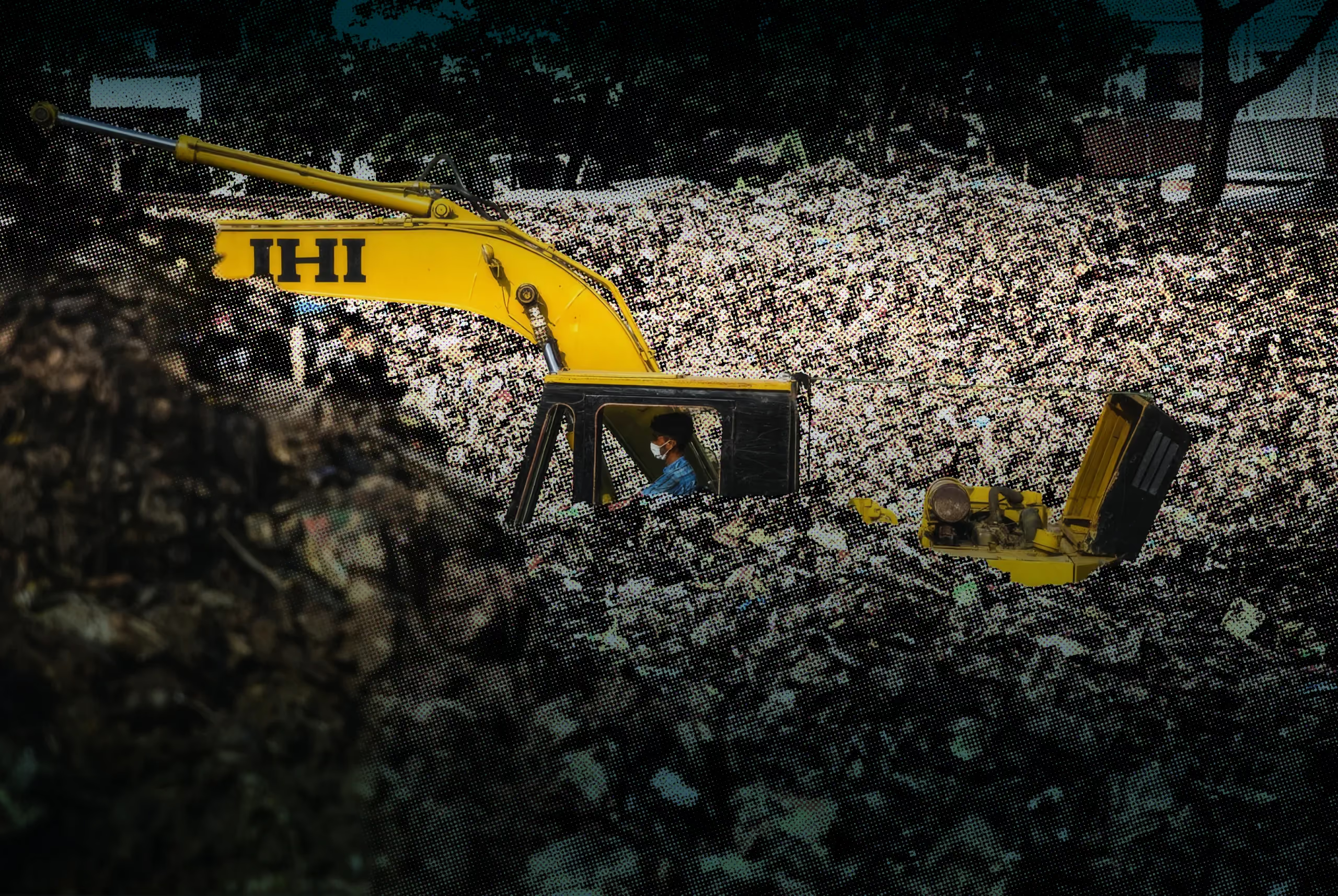

Waste management carbon projects, from methane baseline to issued credits
See how we turn waste-to-energy, composting, biogas, and Bio-CNG projects into verified credits, so your waste operation earns carbon revenue while it improves the local environment.
Waste management as a carbon asset
What it is

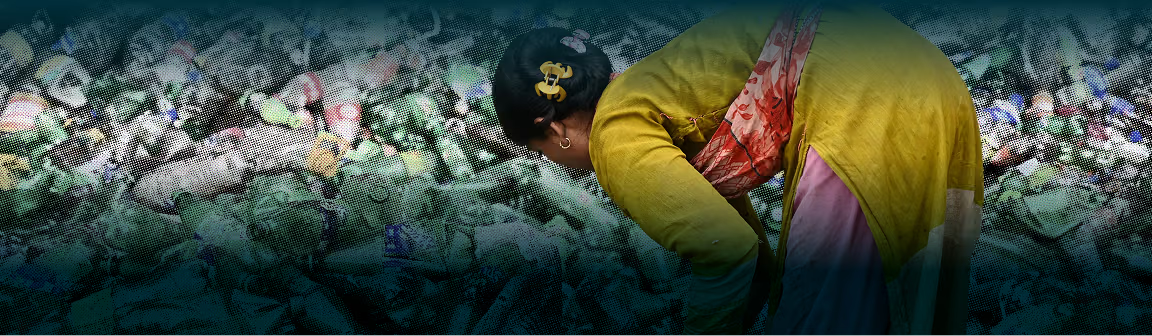
Projects that cut the emissions society creates when it handles waste. They capture landfill methane, compost or digest organic waste, recover biogas, and divert waste from open dumping.
Why it matters

Cities keep growing, and so does their waste. Organic waste that decomposes without control releases methane, a short-lived but extremely potent greenhouse gas, so stopping it brings outsized near-term climate benefit.
Market opportunity

Waste projects often carry strong co-benefits in public health, sanitation, and local jobs, which can earn premium pricing in voluntary markets.
Business value

Municipalities and waste operators offset treatment costs, improve compliance, and earn carbon revenue, while local environmental quality improves.
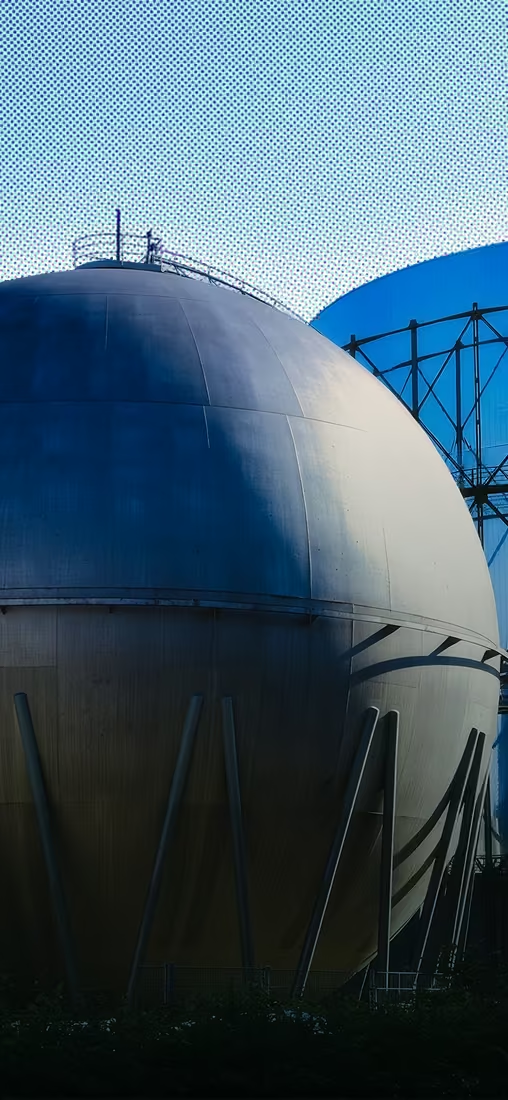
Hands-on experience in waste-to-energy and methane avoidance


From waste audit to credit sale, in six stages
See how we measure what you avoid, from the waste you receive to the credits you sell.


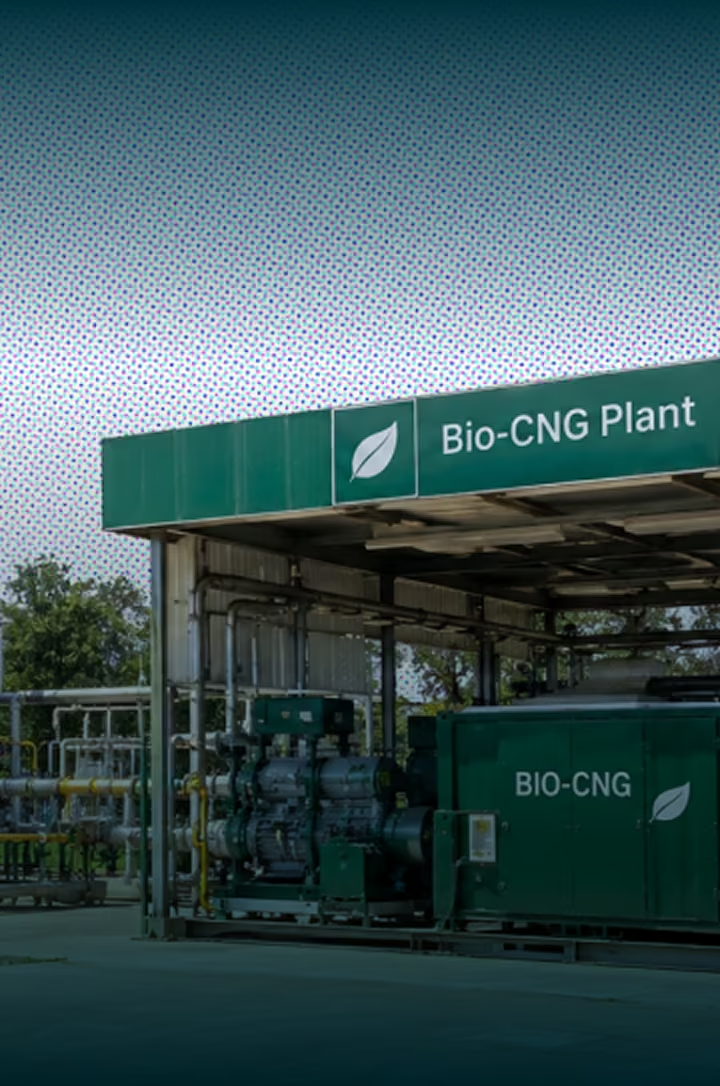
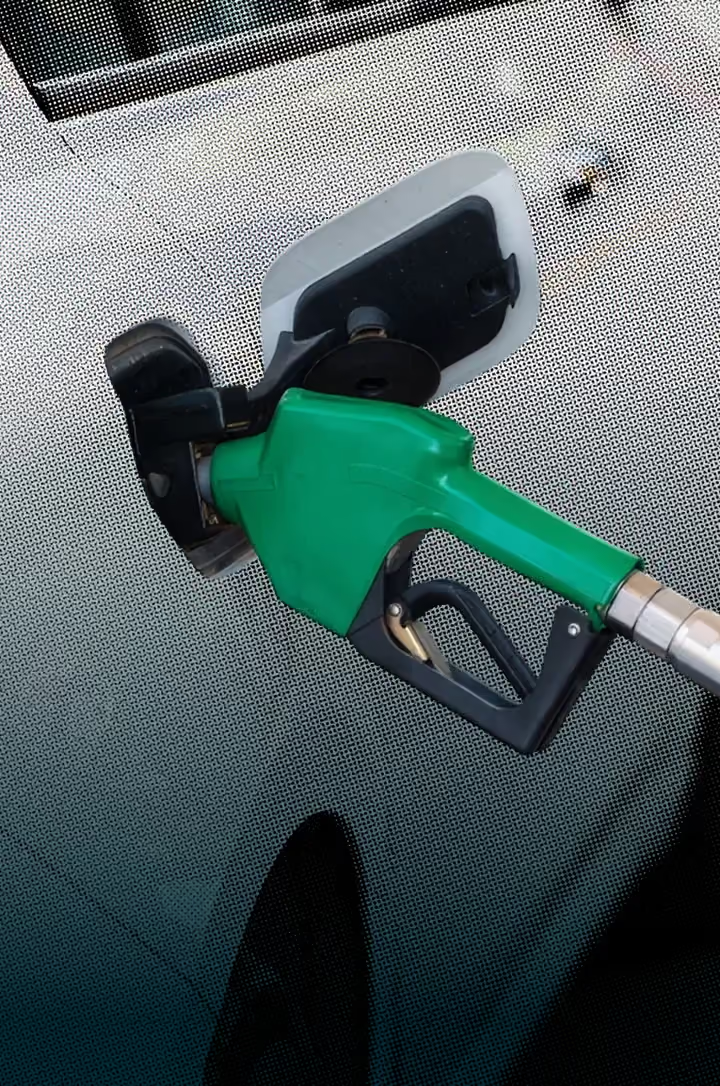
Waste projects across the portfolio






Straight answers on waste projects and carbon credits
Start with the questions we hear most before a project begins, then bring us the details of yours.
It manages waste through collection, segregation, recycling, treatment, recovery, or responsible disposal.

They cut methane emissions, avoid open burning, recover materials, and replace higher-emission treatment practices.
Yes. An eligible project earns credits when its measured emission reductions meet the requirements of an applicable methodology.
Examples include landfill gas, composting, recycling, waste-to-energy, wastewater treatment, and organic waste management.
Methane is a potent greenhouse gas. It forms when organic waste decomposes with little oxygen.
A system captures landfill gas and either uses it for energy or destroys it in a controlled way, which stops uncontrolled methane release.
Waste diversion sends waste away from landfills and other disposal routes toward reuse, recycling, recovery, or treatment.
They improve sanitation, create jobs, strengthen waste systems, and make working conditions safer.
We combine project data, baseline assumptions, and monitoring parameters under an approved methodology.
Yes. They recover materials and resources, reduce the waste produced, and keep valuable materials in use.